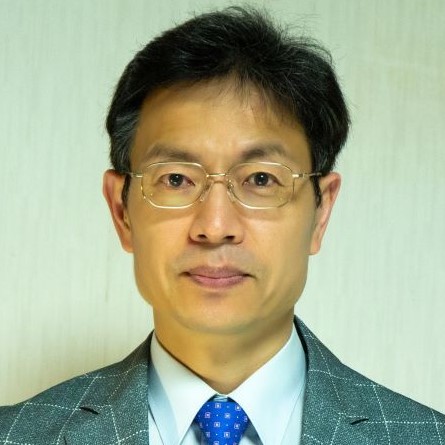
愼 重弼(Jungpil SHIN)教授は、会津大学コンピュータ理工学部パターン処理学講座に所属する研究者であり、IEEE Senior Memberである。韓国出身で、日本政府(文部科学省:MEXT)奨学金を受け、九州大学大学院に進学し、1999年に情報科学・知能システム分野で博士号を取得した。
1999年より会津大学に着任し、准教授、上級准教授を経て、2019年より教授として教育・研究に従事している。これまでに国際学術誌および主要国際会議において500編以上の論文を発表し、幅広い分野で高い評価を受けてきた。研究分野は、パターン認識、画像処理、コンピュータビジョン、機械学習、人間–コンピュータ相互作用、非接触インターフェース、人間行動・ジェスチャー認識、ユーザー認証、医療支援AI(パーキンソン病、ADHDなど)、バイオインフォマティクス、手書き文字解析・認識・合成など多岐にわたる。
学術的貢献が評価され、Stanford UniversityおよびElsevierによる「世界トップ2%科学者」に2024年・2025年の両年で選出され、さらにScholarGPSの調査ではAI分野において世界上位0.5%の研究者としてランクインしている。国際会議ではGeneral ChairやProgram Chairを務めるなど運営面でも活躍し、現在は複数のIEEE系および国際SCIジャーナルの編集委員・査読者として、学術コミュニティの発展に貢献している。
Professor Jungpil Shin is a faculty member of the School of Computer Science and Engineering at The University of Aizu, Japan, and a Senior Member of IEEE. He received his doctoral studies at Kyushu University as a recipient of the Japanese Government (MEXT) Scholarship and obtained his Ph.D. in computer science and intelligent systems in 1999. He joined The University of Aizu in 1999 and has since served as Associate Professor, Senior Associate Professor, and, since 2019, Full Professor. Professor Shin has published more than 500 papers in leading international journals and conferences, contributing extensively to multiple research domains. His research interests include pattern recognition, image processing, computer vision, machine learning, human–computer interaction, non-touch interfaces, human gesture and behavior recognition, user authentication, medical AI for Parkinson’s disease and ADHD, bioinformatics, and handwriting analysis, recognition, and synthesis. In recognition of his academic impact, he was listed among the world’s top 2% of scientists by Stanford University and Elsevier in both 2024 and 2025, and ranked within the top 0.5% of AI researchers worldwide according to ScholarGPS. He has actively contributed to the international research community by serving as General Chair and Program Chair of numerous conferences and currently serves as an editor and reviewer for several major IEEE and SCI journals.
私は長年、大学においてコンピュータサイエンスおよび人工知能分野の研究・教育に携わってきました。その過程で一貫して感じてきたのは、「人を理解すること」こそが、技術や知識以上に重要であるということです。人はなぜ同じ状況でも異なる反応を示すのか、なぜ同じ成功や失敗を経験しても、その受け止め方がこれほど違うのか――その問いが、私をエニアグラムへと導きました。
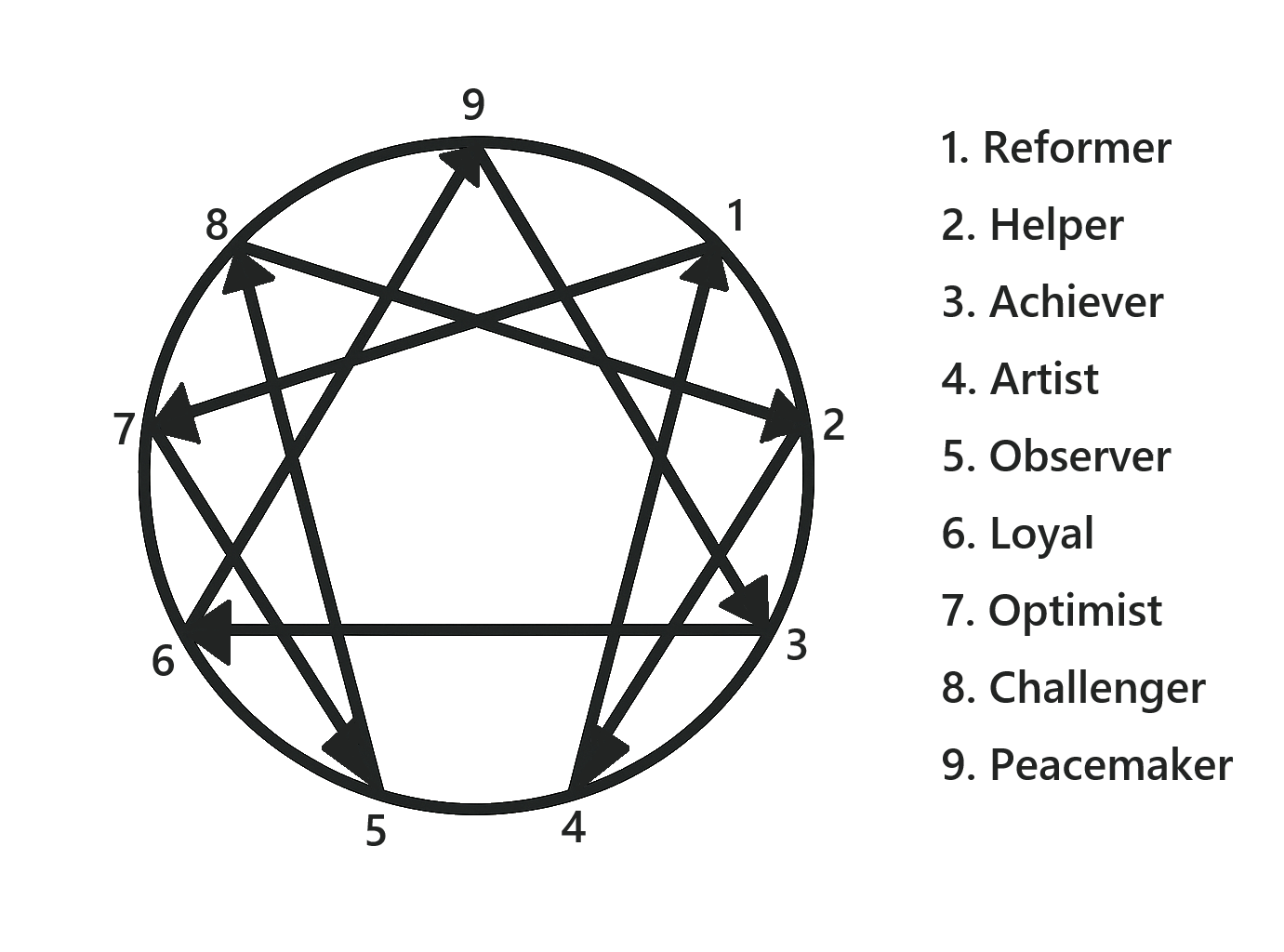
エニアグラムは、性格を分類するための理論ではなく、人がどのような恐れや動機を抱き、どのように世界を認識し、生き抜いてきたのかを理解するための実践的な知恵だと考えています。私はエニアグラムを通して、「自分を責める」のではなく、「自分を理解する」こと、そして他者を評価するのではなく、「違いを尊重する」視点を大切にしています。
現在は、エニアグラム講師・カウンセラーとして、個人の自己理解と成長、対人関係の改善、リーダーシップや意思決定の質の向上を目的とした学びの場を提供しています。学術的な視点と実践的な対話を重視し、理論だけで終わらない、日常に根ざしたエニアグラムの活用を目指しています。
このホームページが、自分自身をより深く知り、より自由で誠実な生き方へと進むための一つの入り口となれば幸いです。
I have spent many years engaged in research and education in computer science and artificial intelligence at the university level. Through this journey, I have consistently come to realize that understanding people is far more important than technology or knowledge itself. Questions such as why people respond so differently to the same situation, or why they interpret the same success or failure in completely different ways, eventually led me to the Enneagram. I see the Enneagram not as a tool for labeling personalities, but as practical wisdom for understanding how people have lived with their fears and motivations, and how they perceive the world and relate to others. Through the Enneagram, I value an attitude of understanding oneself rather than blaming oneself, and of respecting differences rather than judging others. Today, I work as an Enneagram instructor and counselor, offering learning spaces focused on self-understanding and personal growth, improving interpersonal relationships, and enhancing the quality of leadership and decision-making. I emphasize a balance between academic insight and practical dialogue, aiming to present an Enneagram that is not merely theoretical but deeply grounded in everyday life. I hope this website will serve as a gateway for those who wish to understand themselves more deeply and move toward a freer and more authentic way of living.